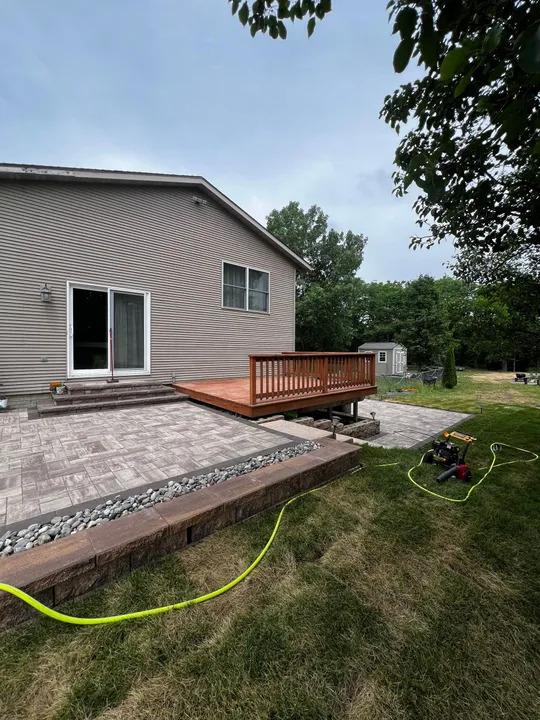
A fire pit should never feel like an afterthought. When you walk into a beautifully designed backyard, the fire feature should feel like a natural extension of the landscape, anchoring the space and inviting guests to gather. Achieving this level of cohesion requires more than just buying a kit; it requires the eye and expertise of a professional fire pit contractor. These experts understand that a fire pit is not an isolated object but a critical component of a broader hardscape design.
The "Outdoor Room" Concept Modern landscape design treats the backyard as a series of outdoor rooms—dining areas, lounging zones, and cooking spaces. A skilled fire pit contractor uses the fire feature to define one of these "rooms." They might use a change in paver patterns, a bordering soldier course, or a slight elevation change to subtly mark the fire pit area as a distinct zone. For example, if you have a large rectangular patio, a contractor might design a circular fire pit area that breaks up the rigid lines, adding softness and flow to the space. Alternatively, in a more contemporary setting, they might align a linear gas fire pit with the architectural lines of the home, creating a seamless visual connection between indoors and outdoors.
Material Harmony One of the biggest mistakes DIYers make is choosing materials that clash with the existing environment. A professional fire pit contractor ensures material harmony. They look at the brick or siding of your house, the color of your existing pavers, and even the natural stone found in your garden beds. They then select materials for the fire pit that complement these elements. This doesn't always mean "matching" exactly. Sometimes, a contractor will choose a contrasting color to make the fire pit pop—such as a charcoal grey fire pit on a warm beige patio. However, the texture and style will always be consistent. Whether it’s rustic tumbled stone for a farmhouse vibe or sleek, polished concrete for a modern look, the contractor ensures the design language remains consistent throughout the hardscape.
The Role of Seating Walls A standalone fire pit can sometimes feel lonely in a large yard. To anchor it, a fire pit contractor will often recommend integrating permanent seating walls (also known as sitting walls). These low masonry walls, usually 18 to 21 inches high, curve around the fire pit. Functionally, they provide ample overflow seating for large parties, eliminating the need to drag folding chairs out of the garage. Visually, they act as a frame for the fire pit, creating a cozy, intimate enclosure that feels protected from the rest of the yard. They also serve as a windbreak, keeping the fire steady and the guests warm. A contractor can cap these walls with smooth limestone or bluestone, offering a comfortable place to sit or set a drink.
Flow and Traffic Patterns Safety and comfort are about more than just the fire itself; they are about how people move around it. A fire pit contractor calculates the necessary square footage to ensure there is enough legroom between the seating and the fire, while still allowing space for people to walk behind the chairs. If the space is too cramped, it becomes a tripping hazard. If it’s too large, the heat is lost, and the intimacy is gone. Professionals typically recommend a 3- to 4-foot circulation zone around the seating area. They integrate this zone into the patio design, ensuring that the fire pit doesn't block access to other areas, like the grill or the back door.
Lighting and Finishing Touches The integration doesn't stop at the stone. A fire pit contractor will often incorporate low-voltage hardscape lighting into the design. Under-cap lights on the seating walls or the fire pit itself add a subtle glow that defines the edges of the structure at night, preventing stubbed toes and adding a resort-like ambiance. By considering all these factors—layout, materials, seating, and lighting—a professional contractor transforms a simple fire pit into a cohesive, high-end hardscape feature that elevates the entire outdoor living experience.

 English
 Arabic
 French
 Spanish
 Portuguese
 Deutsch
 Dutch
Dutch
 Italiano
 Russian
 Romaian
 Portuguese (Brazil)
 Greek
Greek