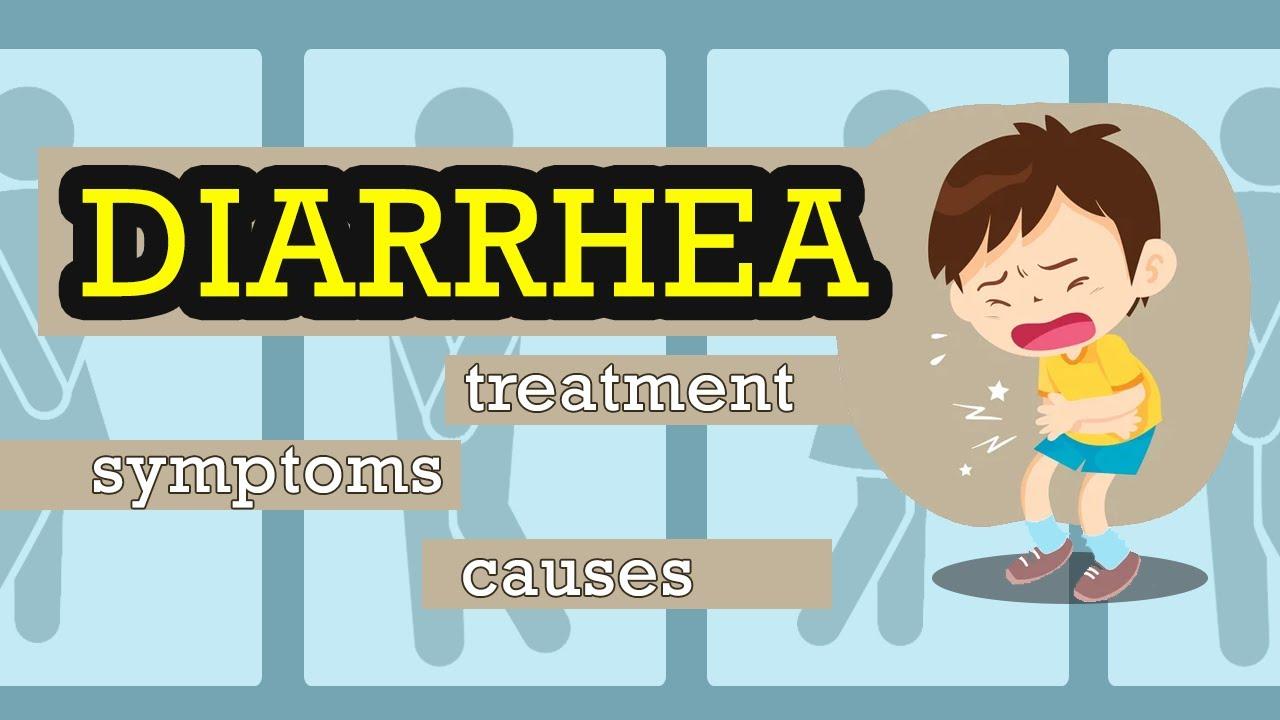
Diarrhea remains one of the most common gastrointestinal conditions affecting people across all age groups worldwide. Characterized by frequent, loose, or watery stools, diarrhea can result from infections, food intolerances, medications, or chronic gastrointestinal disorders.
While the underlying causes vary, one aspect of management is universally critical: hydration. Proper fluid and electrolyte replacement is the cornerstone of diarrhea recovery and often determines the speed and completeness of patient improvement.
Understanding Fluid Loss in Diarrhea
Under normal physiological conditions, the gastrointestinal tract absorbs the majority of fluids ingested through food and drink. During diarrhea, this absorption process is disrupted. Increased intestinal motility and inflammation reduce the gut’s ability to reclaim water and electrolytes, leading to excessive fluid loss through stools. In acute cases, this loss can be rapid and substantial.
Dehydration is therefore the most immediate and dangerous complication of diarrhea. Even mild dehydration can result in fatigue, dizziness, reduced urine output, and impaired cognitive function. In severe cases particularly among infants, older adults, and immunocompromised individuals dehydration can progress to electrolyte imbalances, kidney injury, and circulatory collapse.
Why Hydration Is Central to Recovery
Hydration serves multiple roles in diarrhea recovery. First, it directly replaces lost fluids, maintaining blood volume and tissue perfusion. Second, it restores electrolyte balance, which is essential for neuromuscular function, cardiac rhythm, and cellular metabolism. Third, adequate hydration supports the body’s immune response and tissue repair processes, helping the gastrointestinal lining recover from injury or infection.
Without proper hydration, other interventions such as dietary modifications or pharmacologic treatments are far less effective. In fact, in many mild to moderate cases of diarrhea, hydration alone may be sufficient to achieve full recovery.
Oral Rehydration Therapy (ORT)
Oral rehydration therapy is widely recognized as the gold standard for managing dehydration caused by diarrhea. ORT solutions contain carefully balanced concentrations of water, glucose, sodium, potassium, and other electrolytes. The presence of glucose enhances sodium and water absorption through intestinal transport mechanisms, even when the gut is inflamed.
Commercial oral rehydration solutions (ORS) are preferred over plain water because water alone does not adequately replace electrolytes and, in large quantities, may worsen electrolyte dilution. For patients without access to ORS, diluted broths or specially prepared home solutions may be used as temporary alternatives, though precision in composition is important.
Hydration Across Different Populations
The importance of hydration is amplified in vulnerable populations. Infants and young children have higher baseline fluid requirements and smaller physiological reserves, making them particularly susceptible to dehydration. In these cases, frequent, small volumes of ORS are recommended to improve tolerance and reduce vomiting.
Older adults face their own risks. Age-related changes in thirst perception, kidney function, and comorbid conditions can mask early signs of dehydration. Prompt and proactive hydration is therefore essential in preventing complications.
Athletes and physically active individuals experiencing diarrhea may also require increased fluid and electrolyte intake due to concurrent losses from perspiration.
Interaction Between Hydration and Medical Treatment
In some cases, diarrhea is associated with bacterial infections that require antibiotic therapy. While antibiotics are not routinely indicated for all diarrheal illnesses, they may be prescribed when specific pathogens are identified or strongly suspected. In such contexts, hydration remains a parallel priority, as both the illness and the medication itself may contribute to gastrointestinal fluid loss.
From a healthcare systems and pharmaceutical supply perspective, supportive care products such as oral rehydration solutions are often managed alongside anti-infective medications. In distribution and procurement discussions, keywords related to antibiotic supply chains such as cephalexin capsules wholesale may appear in broader conversations about ensuring access to essential medicines and adjunctive therapies. However, regardless of the pharmacologic approach, hydration remains a non-negotiable component of patient care.
Electrolyte Balance and Gut Healing
Beyond replacing lost water, effective hydration restores electrolyte equilibrium. Sodium and potassium losses are particularly significant during diarrhea and can affect muscle function, nerve signaling, and heart rhythm. Replenishing these electrolytes helps normalize gastrointestinal motility and supports the regeneration of intestinal epithelial cells.
Hydration also influences the viscosity and composition of intestinal contents, reducing irritation of the gut lining. This can alleviate cramping and urgency, improving patient comfort and facilitating a return to normal dietary intake.
Diet and Hydration Synergy
Hydration strategies are most effective when combined with appropriate dietary choices. Easily digestible foods, such as rice, bananas, toast, and yogurt, can complement fluid intake by providing nutrients without overburdening the recovering gut. Many of these foods also contribute small amounts of fluids and electrolytes, reinforcing rehydration efforts.
Conversely, sugary drinks, alcohol, and caffeinated beverages should generally be avoided, as they can worsen diarrhea by drawing additional water into the intestines or increasing intestinal motility.
Monitoring Hydration Status
Successful diarrhea recovery depends not only on initiating hydration but also on monitoring its adequacy. Clinical indicators include improved urine output, normalization of heart rate, moist mucous membranes, and resolution of dizziness or lethargy. In healthcare settings, laboratory measurements of electrolytes and kidney function may be used to guide ongoing fluid management.
Patients and caregivers should be educated to recognize early signs of dehydration and to escalate care promptly when oral intake is insufficient.
Conclusion
Hydration is the foundation of effective diarrhea recovery. By replacing lost fluids and electrolytes, supporting immune function, and promoting gastrointestinal healing, adequate hydration addresses both the symptoms and complications of diarrhea. While medical treatments, including antibiotics when indicated, may play a role in selected cases, they do not diminish the central importance of fluid management.
Whether considered from a clinical, public health, or healthcare supply perspective, hydration remains one of the most cost-effective and impactful interventions available. Ensuring access to appropriate rehydration solutions alongside essential medications and broader pharmaceutical resources continues to be a critical priority in improving outcomes for patients affected by diarrheal illness.

 Arabic
 French
 Spanish
 Portuguese
 Deutsch
 Turkish
 Dutch
Dutch
 Italiano
 Russian
 Romaian
 Portuguese (Brazil)
 Greek
Greek