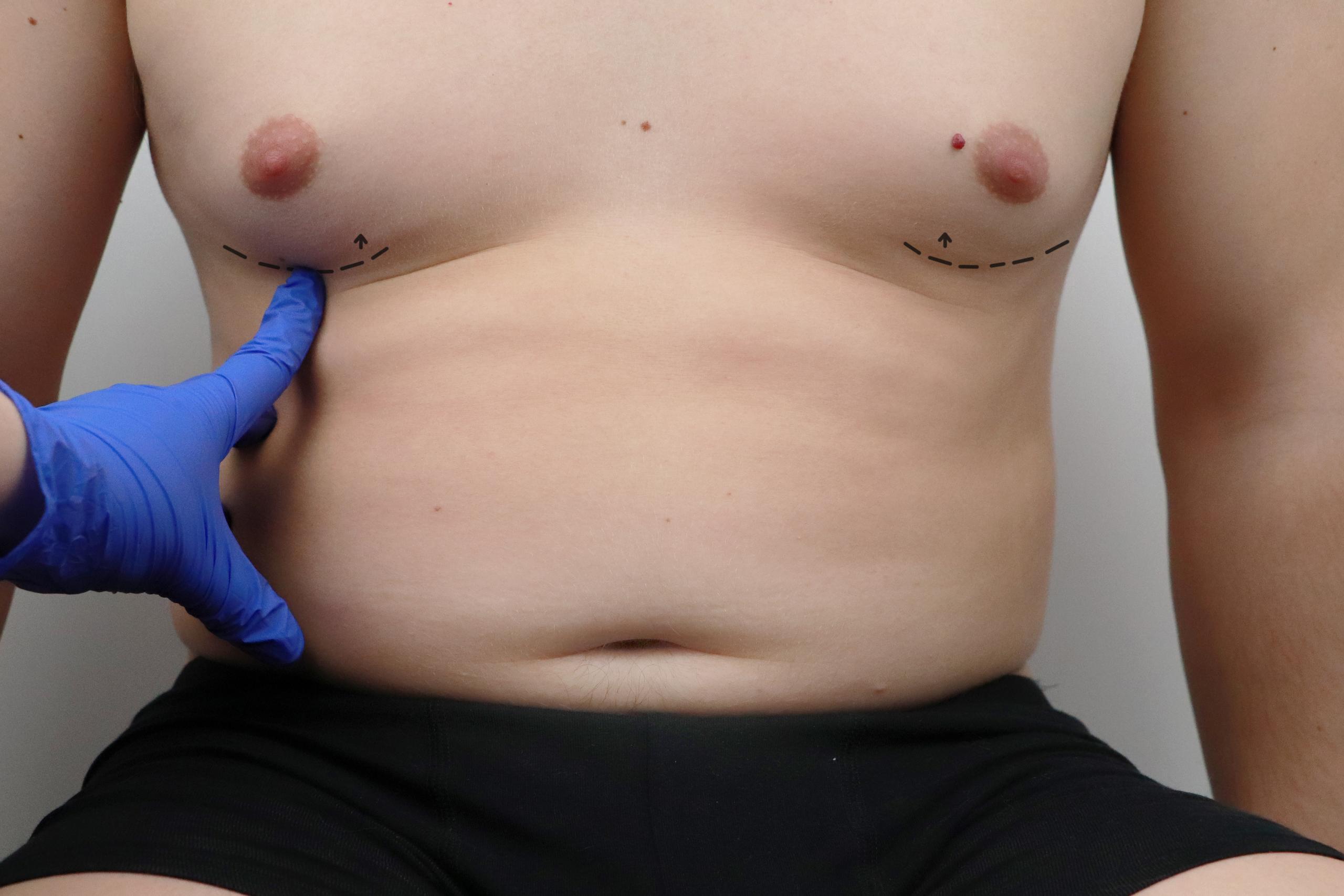
Inverted nipples can be a source of concern for many individuals, affecting confidence and comfort in personal and social situations. While Inverted Nipple Surgery in Dubai is a well-known option, not everyone is ready or willing to opt for a surgical approach. This has led to growing interest in non-invasive and minimally invasive alternatives that promise improvement without downtime or procedural risks. But the key question remains—do these alternatives actually work, and are they worth considering?
Understanding Inverted Nipples
Before exploring alternatives, it’s important to understand what inverted nipples are. This condition occurs when the nipple retracts inward instead of pointing outward. It can be present from birth or develop later due to changes in tissue, hormonal fluctuations, or underlying structural differences in the breast.
Inverted nipples are typically categorized into different grades based on severity. Mild cases may respond well to stimulation or external methods, while more severe inversions may be resistant and require advanced solutions.
Why People Look for Alternatives
Surgical correction is effective, but it may not align with everyone’s preferences. Many individuals seek alternatives due to concerns about recovery time, fear of procedures, or a desire for a more natural correction method. Others may simply want to try less invasive options before committing to surgery.
These alternatives aim to improve nipple projection by addressing the underlying tension in the tissues or encouraging outward positioning over time.
Non-Surgical Techniques for Inverted Nipples
Non-invasive approaches are often the first line of exploration. These methods are widely accessible and can be used in the comfort of your home, making them appealing for those seeking convenience and privacy.
Suction Devices
Suction devices are among the most commonly used alternatives. These tools create a gentle vacuum around the nipple, encouraging it to protrude outward. With consistent use over time, some individuals report noticeable improvement in nipple projection.
The effectiveness of suction devices largely depends on the severity of the inversion. Mild cases tend to respond better, while deeper inversions may see only temporary results.
Nipple Stimulation Exercises
Manual stimulation techniques can sometimes help in mild cases. Regularly stimulating the nipple may encourage it to remain in an outward position for longer periods. This method requires patience and consistency, as results are gradual and vary from person to person.
While this approach is simple, it may not provide long-lasting correction for more pronounced inversions.
Breast Shells
Breast shells are worn inside clothing and apply gentle pressure around the areola, helping the nipple protrude outward. They are often used by individuals during daily activities and can be particularly helpful when worn consistently over extended periods.
Like other non-invasive options, breast shells are more effective for mild to moderate cases and may not deliver permanent results.
Minimally Invasive Options
For those seeking a middle ground between non-invasive methods and surgery, minimally invasive treatments may offer a viable solution. These techniques aim to release tension in the tissues without the complexity of a full surgical procedure.
Injectable Fillers
In some cases, dermal fillers can be used to add volume beneath the nipple, helping it project outward. This method provides immediate results and involves minimal downtime. However, the effects are temporary and may require maintenance over time.
Thread-Based Techniques
Thread-based methods involve placing fine threads beneath the skin to support the nipple and encourage outward positioning. These techniques are less invasive than traditional surgery and can provide more durable results compared to external devices.
Still, the effectiveness depends on the individual’s anatomy and the severity of inversion.
Do These Alternatives Really Work?
The effectiveness of alternatives to surgery varies significantly based on several factors, including the degree of inversion, consistency of use, and individual tissue characteristics.
Non-surgical methods can be effective for mild cases, especially when used consistently over time. They offer a low-risk way to explore improvement and may be sufficient for individuals who are not seeking a permanent or dramatic change.
Minimally invasive techniques provide more noticeable results and may be suitable for moderate cases. However, they still may not match the long-term effectiveness of surgical correction in severe cases.
It’s important to approach these alternatives with realistic expectations. While some individuals achieve satisfying results, others may find the improvements temporary or limited.
Benefits of Choosing Alternatives
One of the main advantages of non-surgical and minimally invasive options is the reduced risk. These methods typically involve little to no downtime, making them easy to incorporate into daily life.
They also offer flexibility, allowing individuals to try different approaches before deciding on a more permanent solution. For many, this step-by-step approach provides reassurance and control over their decision-making process.
Additionally, alternatives can be more accessible and less intimidating, especially for those who are hesitant about undergoing a procedure.
Limitations to Consider
Despite their benefits, alternatives are not without limitations. Results can be inconsistent, and in some cases, temporary. Regular use and maintenance may be required to sustain the desired outcome.
Severe cases of inversion often involve deeper structural issues that cannot be fully addressed without surgical intervention. In such situations, alternatives may offer only partial improvement.
Understanding these limitations is essential for making an informed decision and avoiding unrealistic expectations.
How to Choose the Right Option
Selecting the right approach depends on your individual needs, goals, and the severity of the condition. If your inversion is mild and you’re looking for a gradual improvement, non-invasive methods may be a good starting point.
For moderate cases, minimally invasive options can provide a balance between effectiveness and convenience. However, if long-term and significant correction is your priority, surgical solutions may still be the most reliable choice.
Taking the time to explore different options and understanding how they align with your expectations will help you make a confident decision.
Lifestyle Tips to Support Improvement
In addition to specific treatments, certain lifestyle practices can support overall breast health and potentially enhance the effectiveness of alternatives.
Maintaining good skin elasticity through hydration and a balanced diet can improve tissue responsiveness. Wearing well-fitted undergarments that provide proper support may also help in maintaining nipple positioning.
Consistency is key—whether you’re using a device or practicing exercises, regular use plays a crucial role in achieving and maintaining results.
Final Thoughts on Non-Surgical Solutions
Alternatives to Inverted Nipple Surgery offer promising options for individuals seeking less invasive ways to address inverted nipples. While they may not replace surgery in all cases, they provide valuable pathways for improvement, especially for those with mild to moderate conditions.
By understanding how these methods work and what they can realistically achieve, you can make an informed choice that aligns with your comfort level and desired outcome.
Book Us
If you’re exploring effective and personalized solutions for inverted nipples, our team at Enfield Royal Clinic Dubai is here to guide you. Whether you’re considering non-invasive techniques or looking for advanced options, we offer tailored approaches to meet your needs. Take the first step toward confidence and discover the right solution for you today.

 English
 Arabic
 French
 Spanish
 Portuguese
 Turkish
 Dutch
Dutch
 Italiano
 Russian
 Romaian
 Portuguese (Brazil)
 Greek
Greek