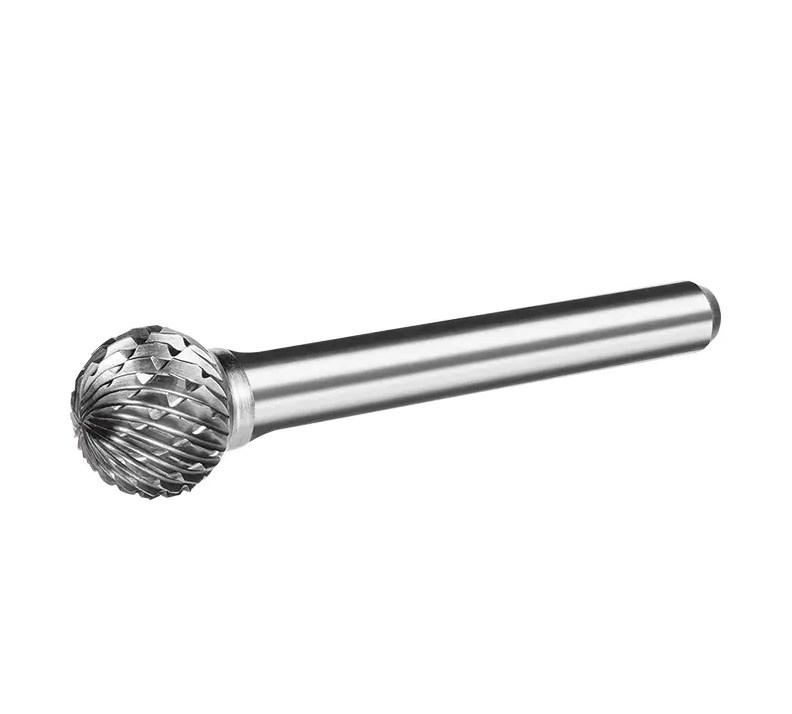
Introduction to Solid Carbide Burs
Solid carbide burs are widely used in metalworking, woodworking, and dental applications due to their exceptional hardness, precision, and durability. However, one of the main challenges during operation is managing heat generation. Excessive heat can compromise cutting efficiency, reduce tool life, and even damage the workpiece. Understanding how to prevent overheating is essential for maximizing performance, maintaining precision, and extending the lifespan of these high-quality tools.
Factors Contributing to Overheating
Overheating occurs when friction between the bur and the material generates excessive heat that the tool cannot dissipate quickly. High rotational speeds, aggressive feed rates, and prolonged cutting sessions increase friction and temperature. Material properties, such as hardness and thermal conductivity, also influence heat buildup. Hard metals or dense composites tend to generate more heat than softer materials. Recognizing these factors allows operators to implement strategies to control temperature effectively and prevent damage to both the tool and workpiece.
Proper Speed and Feed Rate Control
One of the most effective ways to prevent overheating is adjusting the rotational speed and feed rate. High speeds increase efficiency but can quickly generate heat if the bur is forced into the material. Conversely, feeding the tool too slowly can create prolonged contact and also raise the temperature. Operators should follow manufacturer recommendations for speed and feed, adjusting according to material type and thickness. Balanced speed and feed reduce friction, minimize heat buildup, and allow the bur to cut cleanly without compromising durability.
Cooling and Lubrication Techniques
Cooling and lubrication are essential in maintaining optimal temperature during operation. Air cooling, liquid coolant, or specialized oils can be applied to reduce friction and carry away heat. For high-speed applications, continuous coolant flow is particularly effective in preventing localized overheating at the cutting edge. Proper cooling not only protects the bur but also preserves the quality of the material surface, preventing discoloration, warping, or melting.
Using Appropriate Bur Selection
Choosing the correct bur for the task also contributes to heat management. Coarse-grit burs remove material faster and reduce friction accumulation, while fine-grit burs may require slower operation to prevent heat concentration. The geometry of the bur, such as flute design and cutting angles, affects how efficiently chips are evacuated from the cutting surface. Selecting the right bur design for the material minimizes contact time and reduces heat generation.
Maintaining and Inspecting Tools
Regular maintenance and inspection are critical in preventing overheating. Dull, worn, or chipped burs create more friction, leading to higher temperatures. Cleaning debris from the cutting surfaces, sharpening when necessary, and checking alignment ensure that the bur cuts efficiently. Well-maintained burs reduce the risk of overheating and provide more consistent, precise results.
Preventing overheating in Solid Carbide Burs requires a combination of proper speed and feed rate control, effective cooling and lubrication, careful bur selection, and regular maintenance. By understanding the factors that contribute to heat generation and implementing these strategies, operators can maintain cutting efficiency, protect the workpiece, and extend tool life. Proper heat management ensures that carbide burs perform reliably and deliver high-quality results in a wide range of industrial, dental, and craft applications.

 English
 Arabic
 French
 Spanish
 Deutsch
 Turkish
 Dutch
Dutch
 Italiano
 Russian
 Romaian
 Portuguese (Brazil)
 Greek
Greek