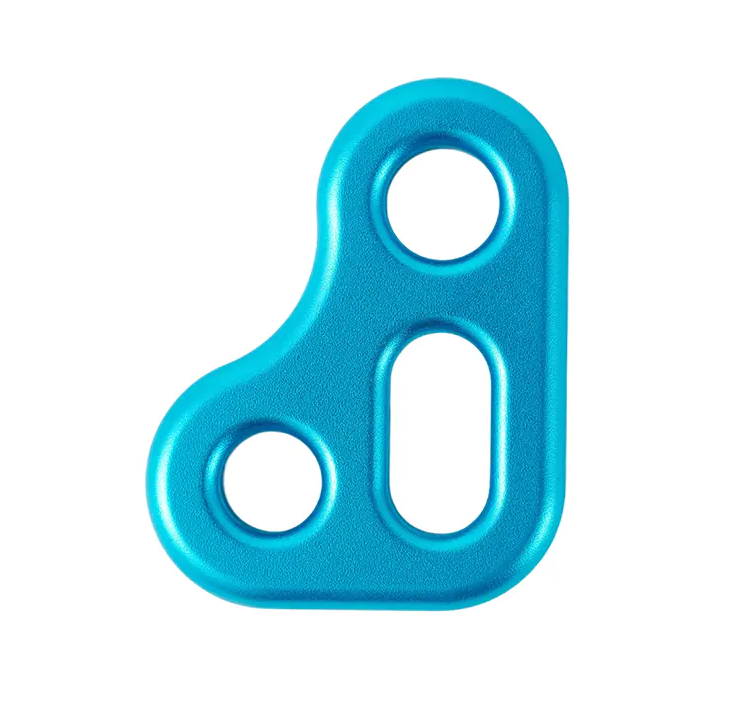
Climbing Ascenders provide a reliable method for ascending ropes efficiently while reducing physical strain. Designed to slide upward and lock under load, these devices allow climbers to focus on technique rather than raw strength. Applications span from recreational rock climbing to industrial rope access, with many outdoor enthusiasts discovering how a well-designed ascender improves vertical mobility.
Ease of use stems from the cam mechanism that grips the rope securely during ascent. Proper engagement ensures climbers remain stable and prevents unintentional slipping. Many models accommodate different rope diameters, which adds versatility in diverse climbing environments. Rope material and thickness affect friction, but adjusting technique allows smooth progression with minimal jerking or effort.
Safety is integral when using Climbing Ascenders. Reliable locking mechanisms reduce risks associated with rope slippage, while ergonomic handles provide a secure grip even in wet or cold conditions. Regular inspection of cams, springs, and attachment points prevents mechanical failure, and proper maintenance extends operational life. Climbers often pair ascenders with harnesses, slings, or backup safety devices for added security during vertical maneuvers.
Efficiency increases when climbers combine ascending and belaying techniques. Climbing Ascenders allow hauling gear or personal loads, making multi-pitch climbs or work-at-height operations more manageable. Mechanical advantage improves with double rope systems, especially when ascending steep or overhanging sections. Users can navigate complex routes without losing energy or compromising safety.
Outdoor use highlights the versatility of Climbing Ascenders. From canyoning to tree work, these devices support ascending in various conditions. Climbers appreciate lightweight designs that reduce fatigue during long approaches or challenging vertical climbs. Even in technical environments, such as industrial rope access or rescue scenarios, ascenders provide dependable upward movement.
Proper grip and positioning enhance performance. Keeping ascender handles close to the body reduces strain on arms and shoulders. Foot loops or mechanical pulleys can complement ascenders, allowing climbers to conserve energy during long ascents. Adjusting rope tension and pace prevents excessive wear on devices and ropes, maintaining efficiency throughout climbs.
Users often notice economic and practical benefits. Durable metals and reinforced components ensure longevity, while modular designs allow replacement of worn parts without complete device overhaul. Maintenance routines typically involve cleaning, lubrication, and inspection, which collectively preserve functionality and safety. Climbing Ascenders prove themselves as practical investments for those regularly tackling vertical challenges.
Adaptability is another strength. Many models support ascending on single or double ropes and can integrate with other climbing gear seamlessly. Outdoor enthusiasts can switch between rope types or routes without requiring a new ascender. This flexibility supports diverse adventures, from casual hikes with rope-assisted sections to technical climbing that demands precise control and reliability.
Climbing Ascenders combine mechanical efficiency, safety, and versatility in a compact package. Regular practice, maintenance, and awareness of rope dynamics maximize their usefulness. For climbers, rescue workers, or rope-access professionals, these devices offer both practical functionality and peace of mind when moving vertically.

 English
 Arabic
 French
 Spanish
 Portuguese
 Deutsch
 Turkish
 Dutch
Dutch
 Russian
 Romaian
 Portuguese (Brazil)
 Greek
Greek