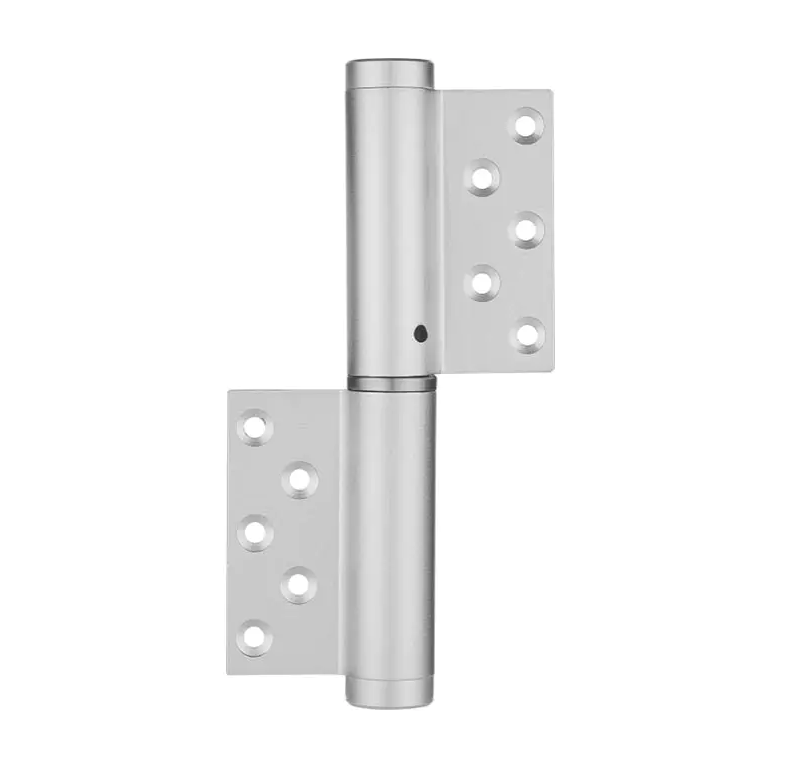
How Strong Are Damping Spring Hinges?
Damping Spring Hinges are widely used in doors and furniture to provide smooth, controlled movement. These hinges are equipped with a spring mechanism that helps dampen the door’s motion, preventing abrupt slamming and reducing wear. But when it comes to their overall strength, many wonder about their capacity to support the weight of the door or lid they are intended to hold. This article explores the load-bearing capacity and strength of damping spring hinges to help you understand their suitability for different applications.
Load-Bearing Capacity of Damping Spring Hinges
The strength of Damping Spring Hinges largely depends on the material and design of the hinge, as well as the quality of the spring mechanism. Typically, these hinges are designed to withstand a range of weights, from light doors or cabinets to heavier, industrial-sized doors. The weight-bearing capacity is usually indicated by the manufacturer and can vary depending on the size and type of hinge.
For most standard applications, Damping Spring Hinges are capable of supporting doors or lids that weigh between 10 and 50 kg. These hinges are built to handle the typical stresses encountered in everyday use, such as opening and closing cycles, as well as occasional impacts or forces. However, for heavier doors or lids, such as those used in industrial or commercial settings, specialized heavy-duty damping spring hinges may be required to ensure long-term reliability and performance.
Durability Under Pressure
One of the key factors in assessing the strength of Damping Spring Hinges is their durability over time. The spring mechanism inside the hinge is responsible for controlling the movement, and over time, repeated use can put strain on the spring. However, high-quality damping spring hinges are designed to withstand thousands of opening and closing cycles without losing their ability to dampen motion or support the weight of the door.
Durability is also influenced by the materials used in the construction of the hinge. Most damping spring hinges are made from robust metals such as stainless steel or zinc alloy, which provide excellent strength and resistance to corrosion. For heavy-duty applications, manufacturers may incorporate reinforced components or more powerful springs to ensure the hinge can continue to operate smoothly even under greater pressure.
Testing the Limits
Manufacturers typically conduct rigorous testing to ensure the Damping Spring Hinges meet industry standards for strength and durability. These tests may include repeated opening and closing cycles, weight load tests, and stress testing to evaluate how the hinge performs under various conditions. This ensures that the hinge will continue to function reliably in real-world scenarios, whether it is used in a residential, commercial, or industrial setting.
It's important to note that while damping spring hinges are built to be strong, their load-bearing capacity can be impacted by factors such as improper installation, misuse, or lack of maintenance. For optimal performance, it's recommended to choose the right size and type of hinge for your specific door or lid, and regularly check the hinge for any signs of wear or damage.
Damping Spring Hinges offer excellent load-bearing capacity for a wide range of applications, from light-duty doors to heavier, more industrial doors. Their durability, along with the ability to withstand constant movement, makes them a reliable choice for ensuring smooth operation and long-term performance. Whether you’re installing a door in a home or a commercial setting, understanding the strength and capacity of these hinges is crucial to selecting the right model for your needs.

 English
 Arabic
 French
 Spanish
 Portuguese
 Deutsch
 Turkish
 Dutch
Dutch
 Russian
 Romaian
 Portuguese (Brazil)
 Greek
Greek